Why More Women Are Combining Fertility Awareness with Modern Fertility Treatment

As a fertility-focused bodyworker, former Google wellness practitioner, and woman who navigated my own fertility challenges before becoming a mother at 42, I've had a front-row seat to a fascinating shift in women's health.
Over the years, I've worked with women at every stage of the fertility journey—from those just beginning to try to conceive to women preparing for IVF after years of unanswered questions.
One pattern became impossible to ignore:
Many women had access to more fertility information than ever before, yet felt more confused than empowered.
The Fertility Information Paradox
Many of the women I met were incredibly intelligent, successful, and proactive. They researched everything. They tracked everything. They advocated for themselves. Yet many knew surprisingly little about the daily signs and signals their own bodies were giving them.
In a world of fertility apps, hormone testing, and advanced reproductive technology, many women had become disconnected from one of the most valuable sources of information available: their own fertility. They were surrounded by data, recommendations, apps, and expert opinions, but still lacked confidence in understanding what was happening within their own bodies each month.
Over time, I realized that information alone wasn't the missing piece. What many women needed was the ability to connect the dots—to understand their cycles, recognize their body's signals, and feel confident making decisions about their fertility journey.
Much of what I have created through Sacred Feminine Wellness is rooted in that goal: helping women move from confusion to clarity, from overwhelm to understanding, and from relying solely on outside information to becoming informed advocates for their own reproductive health.
It was this realization that first became clear during my years working with women in Silicon Valley.

The View From Silicon Valley
While working with employees at Google, I met many women who had access to some of the best fertility benefits available. They could consult reproductive endocrinologists, pursue advanced testing, and access fertility treatments that many women across the country simply could not afford. This access was incredible.
But I noticed something unexpected. Many women were turning to fertility clinics before they truly understood what their bodies were doing each month. They could tell me what their app predicted. But they couldn't always tell me:
What cervical mucus changes indicate fertility
How ovulation actually feels in their body
What changes occur after ovulation
Whether they were identifying their fertile window accurately
How stress was affecting their cycle
Their phones were tracking their fertility. But many weren't yet tracking themselves.
And that distinction would prove to be incredibly important.
The Missing Piece Isn't More Technology
Technology can be incredibly helpful. I am not anti-medicine.
I am not anti-IVF.
And I am certainly not anti-testing.
In fact, many women benefit tremendously from medical support.
But technology should support body awareness—not replace it.
One of the most empowering moments I witnessed repeatedly was when a woman learned how to identify her own fertile signs.
Instead of relying solely on an app prediction, she could recognize:
Fertile cervical mucus
Ovulation symptoms
Changes in energy
Shifts in libido
Cycle patterns unique to her body
Suddenly, she wasn't guessing anymore. She understood what was happening.
And that knowledge changed everything.
For some women, that awareness alone was enough to dramatically improve their chances of conception.

Taking Back Fertility Literacy
Somewhere along the way, many women were taught that fertility was something to outsource.
To an app.
To a doctor.
To a test result.
To a clinic.
Yet fertility literacy—the ability to understand and interpret your body's signals—is a skill.
And like any skill, it can be learned.
When women understand their cycles, they often feel less anxious, less confused, and more confident in their decisions.
Even when medical intervention is necessary, they become active participants in the process rather than passive observers.
That shift matters.

Confidence Changes the Fertility Journey
One of the most interesting patterns I observed over the years wasn't necessarily who became pregnant first. It was how differently women experienced the journey itself.
The women who took time to learn their cycles, understand ovulation, and prepare their bodies often approached fertility treatment from a very different place emotionally.
By the time an IUI or IVF cycle arrived, they weren't walking into the process feeling completely disconnected from their bodies. They understood their cycles. They recognized their body's signals. They had spent months paying attention, learning, and actively participating in their fertility journey.
Many had also incorporated supportive practices such as fertility-focused bodywork, stress reduction, mindfulness, sound healing, or other complementary approaches that helped them feel more connected and grounded.
As a result, they often entered treatment with a sense of confidence and trust. Not certainty—because fertility treatment is never guaranteed—but confidence. There was a calmness that came from feeling prepared.
On the other hand, I occasionally worked with women who felt pressure to move as quickly as possible into treatment. Understandably eager to become pregnant, they often skipped the foundational step of learning their cycles or building a deeper relationship with their bodies.
The result was frequently a very different emotional experience.
IVF is already a high-stress process.
The appointments, medications, waiting periods, and uncertainty can feel overwhelming.
When a woman feels disconnected from her body and unsure of what's happening, that stress can feel even greater.
What I've found is that fertility awareness and supportive preparation don't simply provide information—they often provide peace of mind. Whether a woman conceives naturally, pursues IUI, undergoes IVF, or ultimately combines multiple approaches, there is tremendous value in entering the process feeling informed, empowered, and connected to her own body.
That confidence may be one of the most overlooked forms of support in modern fertility care.
Ancient Wisdom and Modern Medicine Can Work Together
One of the biggest misconceptions in fertility care is the idea that women must choose between holistic support and medical treatment. In my experience, the strongest outcomes often occur when both are working together. Some women simply need better fertility awareness and cycle education. Others benefit from supportive therapies that help reduce stress, improve body awareness, and reconnect them with their reproductive health. And some women absolutely benefit from the expertise, testing, and interventions available through fertility clinics.
This is not an either-or conversation.
It is a both-and conversation.
The goal is not to replace modern medicine.
The goal is to support women more completely.
The Most Rewarding Part of My Work
People often assume the most rewarding part of fertility-focused work is hearing about positive pregnancy tests.
And while those moments are incredibly special, they aren't actually what excites me most.
What brings me the greatest joy is watching women truly understand their bodies.
I love seeing the moment when a woman no longer feels confused by her cycle.
When she can recognize her fertile window.
When she understands her ovulation signs.
When she knows how to support her body throughout the month.
When she knows when to lean into supportive practices, when to seek additional medical guidance, and when to trust what her body is communicating.
When she feels confident making decisions about the tools and resources available to her—whether that's fertility awareness, nutrition, bodywork, yoni steaming, stress reduction practices, medical treatment, or a combination of approaches.
There is something incredibly powerful about a woman moving from uncertainty to understanding.
Over the years, many clients have told me that learning how to read their body's signals changed everything. Not necessarily because it guaranteed a specific outcome, but because they no longer felt lost.
They felt informed.
They felt connected.
They felt empowered.
And regardless of where their fertility journey ultimately leads, that sense of confidence is something they carry with them every month.
My Own Fertility Journey Changed Everything
After navigating Stage 3 endometriosis, a uterine septum, multiple surgeries, and my own fertility challenges, I understand both the emotional and physical realities of trying to conceive.
My journey also taught me something important: supportive practices and medical care do not have to compete with one another.
There were times when holistic support helped me feel more connected to my body, reduce stress, and support my overall reproductive health. There were also times when medical intervention was the most appropriate next step given my circumstances.
That experience reinforced what I now share with clients every day: fertility is rarely about choosing one path. It's about understanding your options, listening to your body, and making informed decisions based on your unique situation.

The Future of Fertility Care
The women I see today are not looking for alternatives to medicine.
They are looking for comprehensive care.
They want accurate information.
They want evidence-based treatment.
They want to understand their bodies.
They want emotional support.
And they want to feel empowered throughout the process.
The future of fertility care isn't ancient wisdom or modern medicine. It's the thoughtful integration of both.
Because when women understand their bodies and have access to the right support, they are better equipped to make informed decisions for their fertility journey—whatever path that journey may take.
What This Means for Women Trying to Conceive
If there's one message I hope women take away from this conversation, it's that fertility support doesn't have to be all-or-nothing. You do not have to choose between understanding your body and seeking medical care. You do not have to choose between ancient wisdom and modern science. And you certainly do not have to navigate the journey feeling disconnected from your own reproductive health.
Whether you're just beginning to try to conceive, navigating irregular cycles, preparing for IVF, or searching for answers after months or years of frustration, there is tremendous value in learning how your body communicates with you. Understanding your fertile window, recognizing ovulation signs, paying attention to cycle patterns, and developing fertility literacy can provide a level of clarity that no app can fully replace. These skills often help women feel more confident, informed, and empowered as they make decisions about their next steps.
At the same time, modern reproductive medicine offers incredible tools that have helped countless families grow. Hormone testing, fertility specialists, advanced diagnostics, IUI, and IVF can all play an important role when appropriate.
The goal is not to choose one approach over another.
The goal is to build a foundation of knowledge, body awareness, and support so you can make informed decisions about the path that feels right for you.
Because when women understand their bodies and have access to the right resources, they are better equipped to navigate the fertility journey with confidence, clarity, and trust—regardless of where that journey ultimately leads.
Supporting Women Beyond the Clinic
Over the years, I realized that many women wanted more than appointments, test results, and fertility apps.
They wanted practical tools to help them understand their cycles, reduce stress, and feel more connected to their bodies between appointments. That's one of the reasons I created Sacred Feminine Wellness.
Through fertility education, bodywork, sound healing, digital resources, and guided support, my goal is to help women become active participants in their fertility journey—whether they are trying naturally, preparing for IVF, or navigating the many unknowns that can arise along the way.
Because fertility isn't just about getting to the next appointment. It's about feeling informed, supported, and empowered every step of the way.
About the Author:
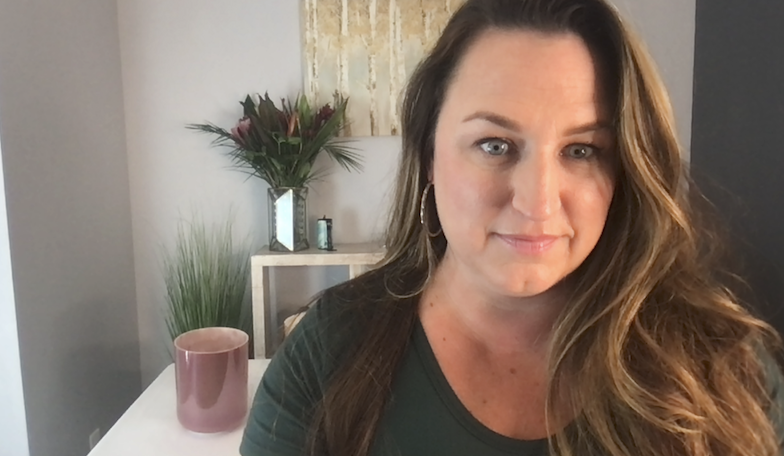
Candice Kosty is a fertility-focused bodyworker with over 20 years of clinical experience, former Google wellness practitioner, and creator of Sacred Feminine Wellness.
After overcoming Stage 3 endometriosis and navigating her own fertility journey, she now helps women understand their cycles, support reproductive health, and feel empowered in their path to motherhood through fertility bodywork, sound healing, yoni steaming, and holistic wellness education.
Learn More About Candice → Here