How Blood Sugar Affects Hormones, Ovulation & Feminine Health
Why balancing blood sugar may support energy, hormones, cycle health, and fertility naturally
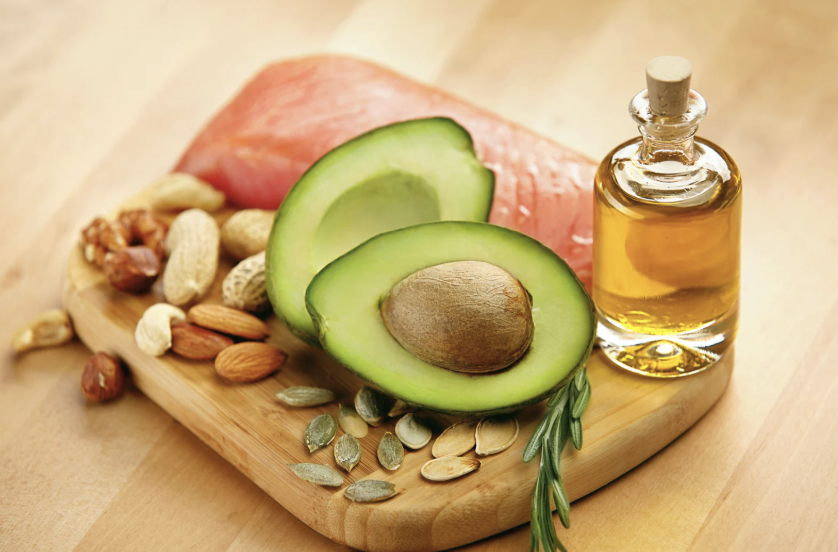
If you’ve been struggling with irregular cycles, hormone symptoms, intense cravings, fatigue, mood swings, anxiety, difficulty losing weight, or trouble ovulating… your blood sugar may be playing a much bigger role than you realize.
And no — this isn’t just about diabetes.
Blood sugar balance affects nearly every hormone system in the body, including:
cortisol (stress hormones)
insulin
estrogen
progesterone
testosterone
thyroid function
ovulation signals
inflammation pathways
For many women, constant blood sugar spikes and crashes may quietly contribute to:
hormone imbalance
PCOS symptoms
cycle irregularities
inflammation
fatigue
increased anxiety
cravings
disrupted ovulation
nervous system dysregulation
The good news?
Small daily shifts may create major changes over time.
In this blog, we’ll explore how blood sugar affects feminine health, ovulation, hormones, stress, and fertility naturally — plus supportive foods and gentle ways to stabilize your body without extreme dieting.
My Personal Experience with Blood Sugar & Hormones
For years, I struggled with weight fluctuations, hormone symptoms, inflammation, and feeling like my body wasn’t responding the way I expected — even when I was trying hard.
Years ago, I personally experimented with a ketogenic-style approach alongside intermittent fasting after learning from fertility specialist Dr. Michael Fox and educational resources from Diet Doctor.
To my surprise, it was the first time I experienced significant weight loss without extreme exercise. Over the course of about a year, I lost more than 60 pounds — and what stood out to me most wasn’t just the weight loss itself.
It was how dramatically food seemed to affect:
my energy increased dramatically
cravings were no longer a thing
inflammation and pain went away
my mood was more stable
and my hunger decreased
For me personally, that approach created the first real shift I had experienced in years (possibly ever).
Today, my perspective is much more balanced and individualized.
I don’t believe there is one perfect “diet” for every woman — and I’m not a nutritionist. What works beautifully for one person may feel terrible for another.
But I do believe blood sugar stability plays a major role in:
hormone health
nervous system regulation
energy
cravings
inflammation
ovulation
and fertility support
And honestly? That’s part of why medications like GLP-1s have created such huge conversations around weight, hormones, and fertility over the last few years.

What Is Blood Sugar — and Why Does It Matter for Hormones?
Blood sugar refers to the amount of glucose (sugar) circulating in your bloodstream.
Every time you eat carbohydrates, your body releases insulin to help move glucose into your cells for energy.
But when blood sugar constantly spikes from:
highly processed foods
excess sugar
chronic stress
poor sleep
high caffeine intake
nervous system dysregulation
…the body may begin struggling to regulate insulin properly.
Over time, this can affect hormone communication throughout the body.
For some women, this may look like:
irregular periods
acne
weight fluctuations
fatigue after eating
intense cravings
anxiety
brain fog
worsening PMS
difficulty ovulating
PCOS symptoms
Even women without PCOS may experience hormone disruption when blood sugar becomes unstable.
Signs Blood Sugar May Be Affecting Your Hormones
Many women are never taught how connected blood sugar is to feminine health.
Some common signs include:
energy crashes during the day
shakiness or irritability when hungry
intense sugar cravings
waking during the night
anxiety after caffeine or sugar
brain fog
irregular cycles
skipped ovulation
hormonal acne
severe PMS
fatigue after meals
difficulty losing weight
These symptoms do not automatically mean something is “wrong” with you.
Sometimes the body is simply asking for more stability, nourishment, safety, and support.

How Blood Sugar Impacts Ovulation & Fertility
Ovulation requires communication between the brain, ovaries, adrenal glands, thyroid, nervous system, and metabolic system.
When blood sugar swings constantly, stress hormones like cortisol may rise — which can interfere with this delicate hormonal conversation.
In some women, unstable blood sugar may contribute to:
delayed ovulation
irregular cervical mucus patterns
anovulatory cycles
inflammation
hormone imbalance
worsening PCOS symptoms
increased stress on the body
Balanced blood sugar may help support:
more stable energy
improved cervical mucus
healthier ovulation patterns
reduced inflammation
nervous system regulation
hormone communication throughout the body
This is one reason many fertility specialists encourage blood sugar support even for women without diabetes.

Why Are People Talking About “GLP-1 Babies”?
Over the last few years, social media began using the phrase “Ozempic babies” after many women reported unexpected pregnancies while taking GLP-1 medications such as Ozempic or Wegovy.
Researchers and fertility specialists believe these pregnancies may not be caused by the medications directly — but rather by the metabolic changes that can happen when blood sugar, insulin resistance, inflammation, and ovulation begin improving.
For some women, especially those struggling with PCOS or irregular ovulation, improved metabolic health may help support more regular cycles and ovulation patterns.
At the same time, most doctors currently do NOT recommend using GLP-1 medications while actively trying to conceive or during pregnancy because long-term fetal safety data is still limited.
And that’s the important distinction.
The bigger conversation may not actually be about the medication itself.
It may be about what happens when the body begins receiving more stable blood sugar signals.
Because blood sugar affects far more than weight alone.
It can influence:
cortisol and stress hormones
inflammation
insulin sensitivity
cravings
sleep
nervous system regulation
energy stability
ovulation signals
and hormone communication throughout the body
For many women, this becomes less about chasing the “perfect diet” — and more about learning how different foods, habits, stress levels, and routines affect their unique body.
Why Researchers Are Reframing PCOS as a Metabolic Condition
For many years, PCOS was primarily described as an ovarian disorder.
But newer research is revealing something much deeper:
many women with PCOS may actually be dealing with a broader metabolic and endocrine condition affecting the entire body — not just the ovaries.
Researchers recently proposed updated language:
PMOS — Polyendocrine Metabolic Ovarian Syndrome
This newer understanding reflects how strongly blood sugar regulation, insulin resistance, inflammation, stress hormones, and metabolism may influence ovulation and hormone health.
In many women, insulin resistance may affect:
testosterone levels
ovulation timing
egg quality
inflammation
cravings
cycle regularity
energy stability
This may help explain why some women notice improvements not only from fertility treatments alone — but also from supporting:
blood sugar stability
nervous system regulation
anti-inflammatory nutrition
sleep
stress reduction
daily nourishment
The conversation around PCOS is evolving.
And for many women, that shift feels validating — because their symptoms were never “just ovarian.”
They were whole-body signals asking for deeper support.
The Stress Hormone Connection: Cortisol & Blood Sugar
Many women trying to conceive are living in a constant state of stress without even realizing it.
Chronic stress may:
raise cortisol
worsen inflammation
increase blood sugar spikes
affect sleep
impact progesterone production
disrupt cycle regularity
This creates a frustrating cycle:
Stress affects blood sugar → blood sugar affects hormones → hormone imbalance creates more stress.
This is why nervous system support matters so much for feminine health.
Gentle practices like:
walking
breathwork
sound healing
EFT tapping
balanced meals
reducing overstimulation
improving sleep
slowing down
…may support hormone balance more than extreme restriction or over-exercising.
Dr. Michael Fox also speaks extensively about how the body interprets chronic stress as a survival signal — and how stress hormones may interfere with ovulation and fertility signaling.
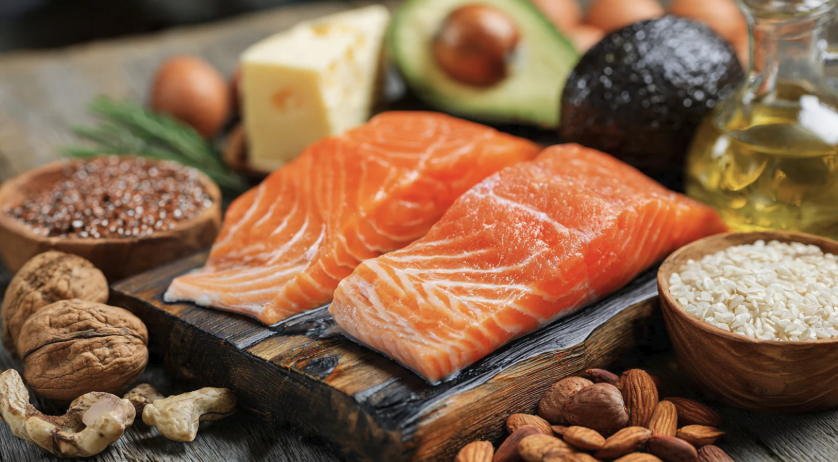
Fertility Foods That Support Hormone Balance
Food is not magic — but nourishment matters deeply.
Some foods commonly associated with hormone and fertility support include:
Healthy Fats
Healthy fats help support hormone production.
Examples:
avocado
olive oil
salmon
sardines
nuts
seeds
pasture-raised eggs
Protein
Protein helps stabilize blood sugar and supports sustained energy.
Examples:
eggs
chicken
turkey
Greek yogurt
cottage cheese
tofu
grass-fed meats
beans and lentils
Fiber-Rich Foods
Fiber may help support estrogen detoxification and blood sugar stability.
Examples:
berries
chia seeds
flaxseeds
vegetables
legumes
oats
Mineral-Rich Foods
Many women are depleted in minerals that support hormone health.
Examples:
pumpkin seeds (zinc)
leafy greens (magnesium)
Brazil nuts (selenium)
sea vegetables (iodine)

Foods Women Commonly Eat During the Two-Week Wait
The Two Week Wait (2WW) can feel emotionally intense.
Many women use this time to focus on nourishment, hydration, and calming the nervous system.
Some commonly discussed 2WW foods include:
warming soups
balanced protein-rich snacks
leafy greens
berries
healthy fats
slow-digesting carbohydrates
anti-inflammatory meals
You may also hear women talk about eating the pineapple core after ovulation.
Why Do Women Eat Pineapple Core During the 2WW?
Pineapple core contains an enzyme called bromelain, which some believe may support implantation because of its anti-inflammatory properties.
Research is still limited, and pineapple core is not a guaranteed fertility solution.
However, many women include it as part of a gentle fertility ritual during the implantation window.
For many, the practice becomes less about “magic foods” and more about feeling connected, hopeful, and intentional during the 2WW.
Your Body Gives Feedback — If You Know What to Track
One of the biggest mindset shifts for many women is realizing the body constantly gives feedback.
Energy crashes, cravings, cervical mucus changes, mood shifts, PMS severity, anxiety, bloating, sleep disruptions, and cycle irregularities may all be clues worth paying attention to.
This is one reason I love tracking.
Not from a place of obsession — but from awareness.
When you begin tracking:
your cycle
symptoms
ovulation
hormones
nutrition
energy
cervical mucus
stress levels
lifestyle patterns
…connections often become much easier to recognize.
Sometimes women discover:
certain foods worsen inflammation
blood sugar crashes increase anxiety
caffeine affects sleep or PMS
protein improves energy stability
stress changes ovulation timing
consistent meals improve cervical mucus patterns
Tracking creates real-time feedback from your own body.
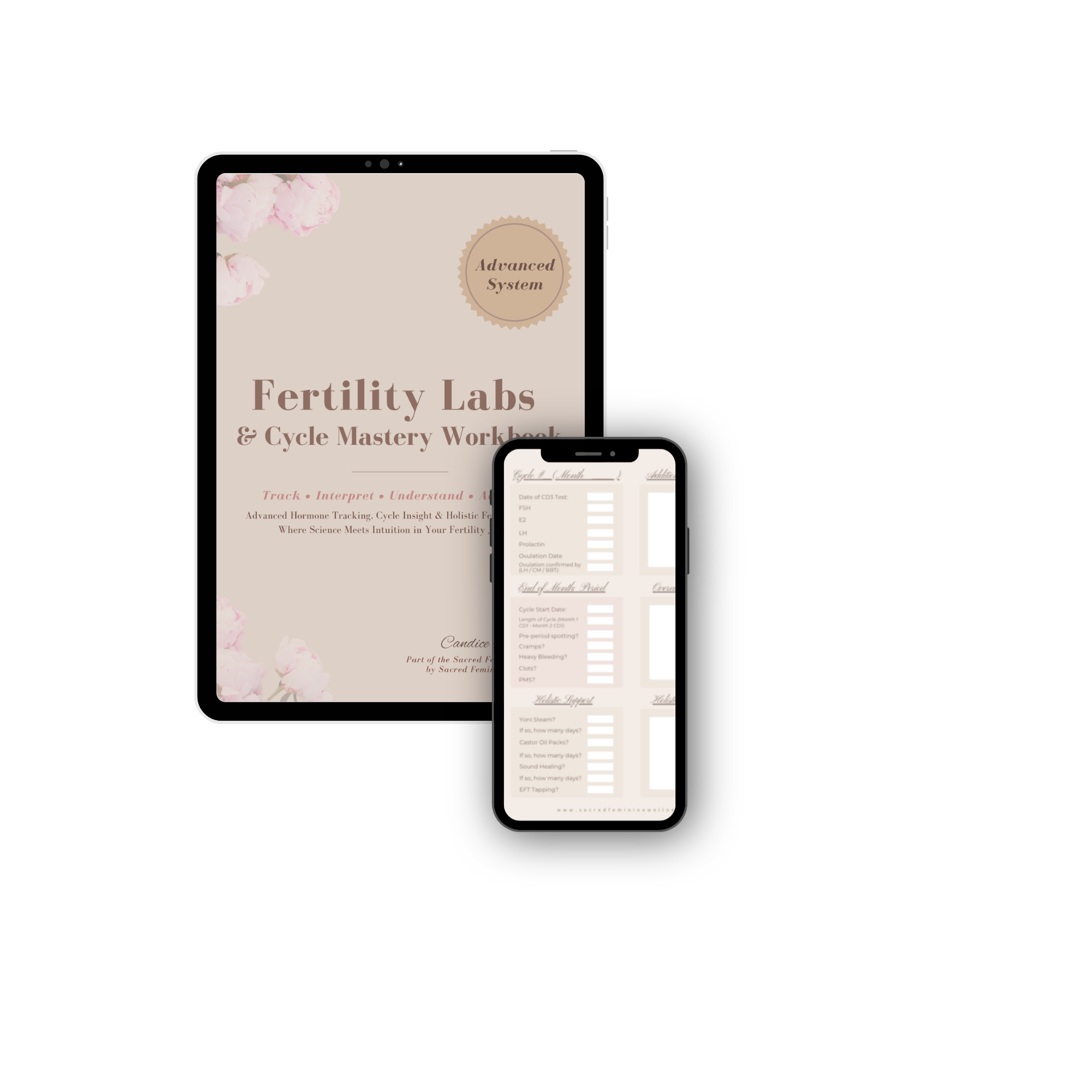
And that’s exactly why I created the Advanced CD3 Hormone & Cycle Workbook — to help women stop guessing and start recognizing their own patterns month-to-month.
Because your body is often communicating long before symptoms become extreme.

Easy Ways to Stabilize Blood Sugar Naturally
Blood sugar support doesn’t have to mean perfection.
Often, simple consistent habits matter most.
Here are gentle places to start:
Pair Carbs with Protein
Instead of eating carbohydrates alone, pair them with:
protein
healthy fats
fiber
This may help reduce blood sugar spikes.
Eat Consistently
Skipping meals may worsen stress hormone patterns for some women.
Start the Day with Protein
Many women notice better energy and fewer cravings when breakfast includes protein and healthy fats.
Walk After Meals
Even a short walk may help support glucose regulation (helps with controlling Gestational Diabetes naturally too)
Reduce Liquid Sugar
Sugary drinks may spike blood sugar quickly.
Support Sleep
Poor sleep strongly affects hormones, cravings, stress hormones, and insulin sensitivity.

Feminine Health Is More Than One Hormone
Women’s health is rarely about just one hormone, one symptom, or one lab result.
The body speaks in patterns.
Blood sugar, stress, inflammation, sleep, nourishment, movement, emotional wellbeing, and nervous system regulation are all constantly communicating with one another — quietly shaping how we feel, heal, ovulate, rest, and move through the world.
This is why true feminine wellness often requires a whole-body approach.
Not from fear.
Not from perfection.
But from learning how to support the body with more awareness, nourishment, safety, and compassion over time.
Sometimes healing begins not by forcing the body harder — but by finally understanding what it has been trying to say all along.
A Gentle Reminder
If you’re struggling with severe hormone symptoms, missing periods, fertility concerns, or metabolic health challenges, it’s important to work with a qualified healthcare professional for personalized support.
This article is educational and not intended to diagnose or treat medical conditions.
Support Your Hormones & Fertility Naturally
If you’re looking for deeper support on your TTC journey, explore these supportive resources from Sacred Feminine Wellness:
🌸 Advanced Hormone & Cycle Workbook
Track hormones, cervical mucus, symptoms, nutrition, energy, ovulation patterns, and cycle shifts month-to-month so you can better understand what your body is trying to communicate.
[Get Instant Access]
🌸 Free CD3 Hormone Cheat Sheet
Not ready for the full workbook yet? Start with this simple one-page hormone guide to better understand fertility lab timing, healthy hormone ranges, and what your cycle may be trying to tell you.
[Download Free Guide]
About the Author:
Candice Kosty is a fertility-focused bodyworker with over 20 years of clinical experience, former Google wellness practitioner, and creator of Sacred Feminine Wellness.
After overcoming Stage 3 endometriosis and navigating her own fertility journey, she now helps women understand their cycles, support reproductive health, and feel empowered in their path to motherhood through fertility bodywork, sound healing, yoni steaming, and holistic wellness education.
Learn More About Candice → Here