The Luteal Phase Explained: Symptoms, Fertility, Food & Self-Care

[Calm Your Fears with the Free Two-Week Wait Guide]
If you have ever tracked ovulation and then wondered what you are supposed to do next, you have entered the luteal phase—the part of your menstrual cycle that begins after ovulation and ends when your next period starts or a pregnancy begins.
For women trying to conceive, this phase is better known as the Two Week Wait. It can feel like a strange pause between action and answers. You have already watched for fertile cervical mucus, timed intercourse, completed an IUI, or gone through an embryo transfer. Now every cramp, mood shift, and tender breast can make you wonder whether your period is coming or implantation has occurred.
Understanding the luteal phase will not give you complete control over the outcome of a cycle. It can, however, help you recognize your usual patterns, understand the role of progesterone, know when a symptom deserves attention, and move through these days with less guesswork.
Waiting to test can be one of the most emotionally intense parts of trying to conceive. My free Two-Week Wait Guide offers affirmations and grounding practices to help you feel supported while you wait.
What Is the Luteal Phase?
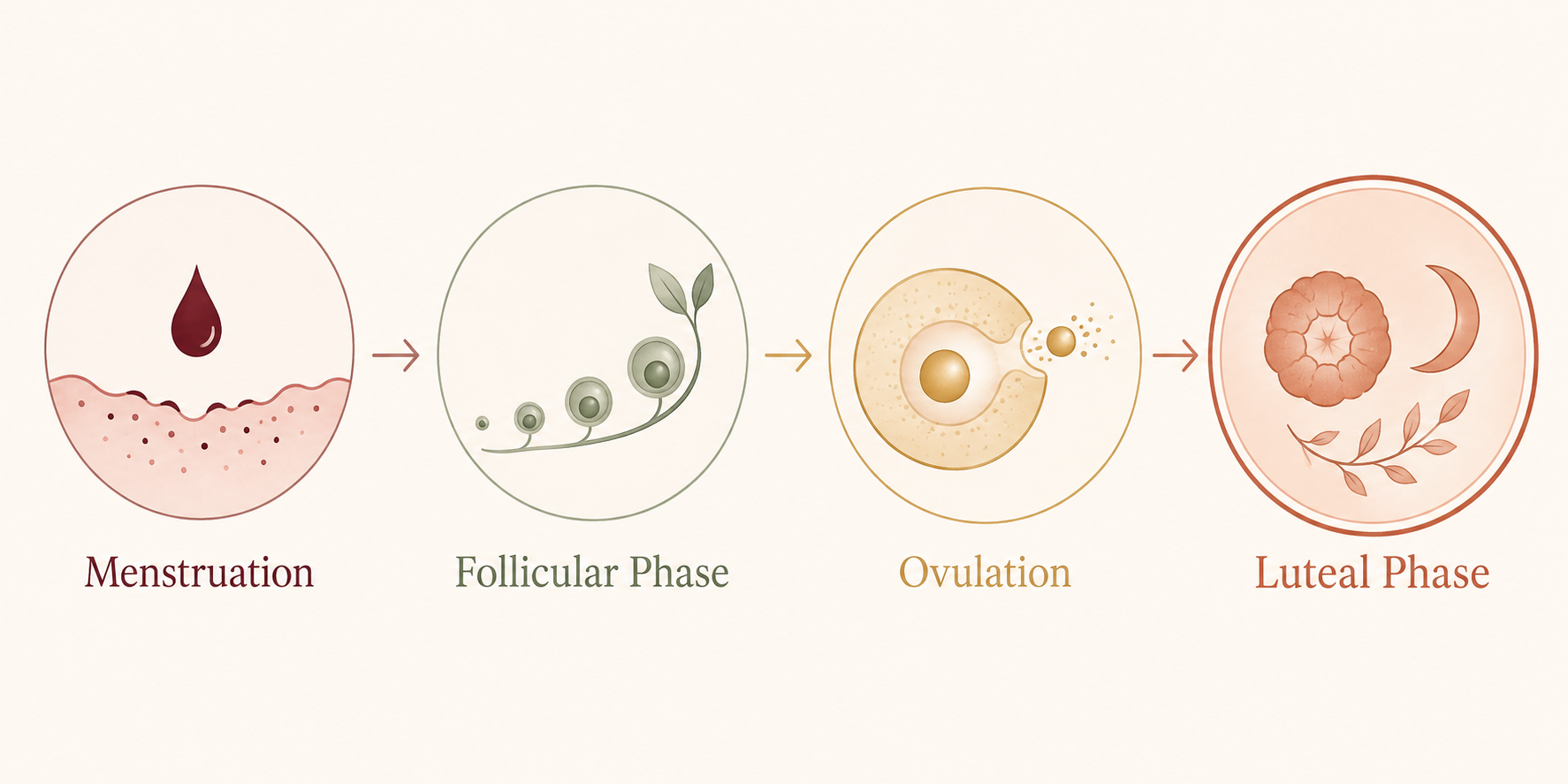
The menstrual cycle has two major halves. The follicular phase begins on the first day of your period and continues through ovulation. The luteal phase begins after ovulation and continues until the day before your next period begins. If conception occurs, the luteal phase becomes the bridge into early pregnancy.
After an egg is released, the emptied follicle transforms into a temporary structure called the corpus luteum. Its main job is to produce progesterone. Progesterone helps the uterine lining mature and remain ready for a possible pregnancy. It also causes the small rise in basal body temperature many women notice after ovulation and makes cervical mucus thicker and less sperm-friendly because the fertile window has ended.
If implantation occurs, the developing pregnancy begins producing human chorionic gonadotropin, or hCG. That signal tells the corpus luteum to continue making progesterone. If pregnancy does not occur, the corpus luteum naturally breaks down, progesterone and estrogen fall, and menstruation begins.
This is why the luteal phase can feel so different from the first half of your cycle. Your body has shifted from preparing to release an egg to preparing for the possibility of pregnancy.
How Long Is the Luteal Phase?
A typical luteal phase is relatively consistent within the same woman and commonly lasts about 12–14 days, although the American Society for Reproductive Medicine notes that approximately 11–17 days can occur. The follicular phase tends to account for more of the month-to-month variation in total cycle length because ovulation does not always happen on the same calendar day.
That means the popular idea that everyone ovulates on Day 14 is not reliable. Someone with a 32-day cycle may ovulate later than someone with a 26-day cycle, yet both may have a luteal phase that is normal for her body.
To estimate your luteal phase length, count the day after ovulation as the first luteal day. Continue counting until the day before full menstrual flow begins. Because an app predicts ovulation rather than confirms it, your calculation will be more useful when you combine information from ovulation predictor tests, cervical mucus, basal body temperature, or professionally monitored hormone data.
If you are not yet confident identifying ovulation, read TTC with PCOS? How to Know If You’re Ovulating. The signs are helpful even if you do not have PCOS.
Common Luteal Phase Symptoms
Progesterone rises after ovulation and peaks around the middle of the luteal phase in a non-pregnancy cycle. Estrogen also shifts. These hormonal changes can influence your breasts, digestion, temperature, appetite, sleep, energy, and emotions.
Common luteal phase symptoms may include:
Breast tenderness or fullness
Bloating or water retention
A warmer basal body temperature
Changes in appetite or food cravings
Constipation or slower digestion
Fatigue or a greater desire for rest
Headaches
Acne or skin changes
Increased emotional sensitivity
Irritability, sadness, anxiety, or difficulty concentrating
Mild pelvic heaviness or cramping as your period approaches
You may experience several of these, only one, or none at all. Your pattern may also change from cycle to cycle depending on sleep, stress, illness, travel, fertility medication, age, or other health factors.
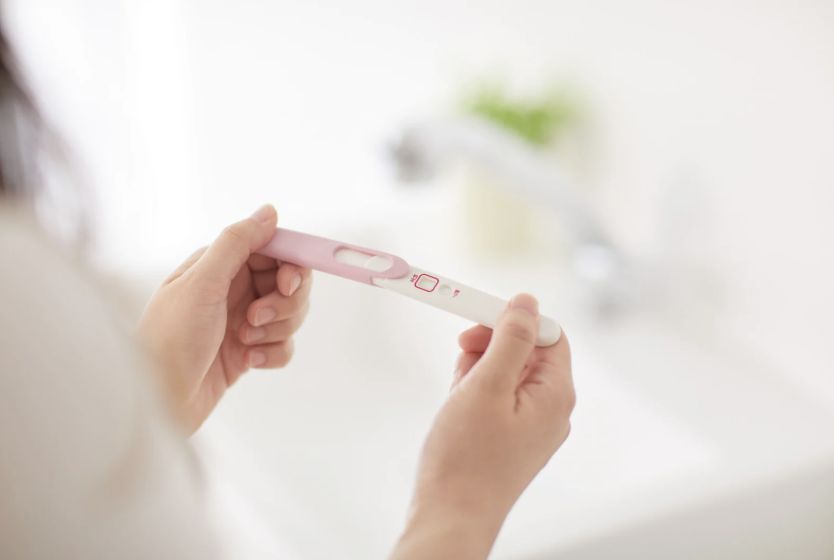
Most importantly, luteal phase symptoms cannot reliably tell you whether you are pregnant. Progesterone rises after ovulation whether or not conception occurred, so early pregnancy and premenstrual symptoms often feel almost identical. Tender breasts, fatigue, bloating, mild cramping, and mood changes can happen in both situations.
Your symptoms are real, but they are not a pregnancy test. Knowing that can help you observe what you feel without asking every sensation to predict the outcome.
The Luteal Phase and Fertility
The luteal phase plays an essential role in fertility because progesterone supports the uterine lining after ovulation. If fertilization occurs, the early embryo continues developing as it travels toward the uterus. Implantation may then begin, and rising hCG signals the corpus luteum to continue its work.
This does not mean you need to create a perfectly calm, symptom-free, or “ideal” luteal phase to become pregnant. Women conceive during stressful months, quiet months, medicated cycles, and cycles that felt completely ordinary. Anxiety during the Two Week Wait is not a personal failure, and you should not be made to feel that one difficult day will prevent implantation.
The more useful question is not, “Was this cycle perfect?” It is, “What patterns keep repeating over time?”
Patterns worth noting include:
How many days pass between confirmed ovulation and your next period
Whether you regularly spot before full menstrual flow
Whether your temperature rises after ovulation and how long it remains elevated
Whether your cycles are fairly predictable or change significantly
Whether premenstrual symptoms interfere with work, relationships, sleep, or daily life
Whether you are ovulating consistently
Cycle awareness cannot diagnose infertility, but it can help you bring clearer information to your physician or fertility provider.
What Is a Short Luteal Phase?
A luteal phase of about 10 days or fewer may prompt a conversation with a qualified medical provider, especially when it happens repeatedly or appears alongside infertility, irregular ovulation, premenstrual spotting, thyroid concerns, significant changes in weight or exercise, elevated prolactin, PCOS, endometriosis, or other reproductive-health conditions.
You may hear this called luteal phase deficiency or luteal phase defect. This subject is more complicated than many fertility posts make it sound. Progesterone is necessary for early pregnancy, but the American Society for Reproductive Medicine explains that no single test has been proven to reliably diagnose luteal phase deficiency or distinguish fertile from infertile women. Short luteal phases can also occasionally occur in women with otherwise regular cycles.
A single progesterone result does not tell the whole story because progesterone is released in pulses. Levels can change dramatically within a short period of time. Progesterone testing is generally timed in relation to your ovulation, often around six to eight days afterward—not automatically on Cycle Day 21. “Day 21 progesterone” only makes sense for someone who ovulated around Day 14.
This is one reason tracking your own cycle matters. It gives your provider context that an isolated calendar date cannot.
Do not begin progesterone, hormonal products, or a large supplement routine based only on symptoms or internet advice. If your luteal phase is repeatedly short, the goal is to explore the complete pattern and any underlying condition with your medical team—not to blame your body or assume one number explains your fertility.
Luteal Phase Food: What Should You Eat?
Pinterest is full of lists promising foods that “boost progesterone,” “lengthen the luteal phase,” or “guarantee implantation.” The honest answer is that no individual food has been proven to correct luteal function or make implantation happen.
Food still matters. Your body needs consistent energy, protein, fats, carbohydrates, vitamins, and minerals throughout the entire menstrual cycle. Instead of trying to eat perfectly for two weeks, think of luteal phase food as steady nourishment that supports your general health and may make appetite changes, fatigue, bloating, or cravings easier to manage.
1. Build meals around protein
Protein helps make meals satisfying and supports the tissues, enzymes, and chemical messengers your body uses every day. Options may include eggs, Greek yogurt, cottage cheese, poultry, fish, tofu, tempeh, beans, lentils, or meat, depending on your preferences.
2. Choose fiber-rich carbohydrates
You do not need to fear carbohydrates during the luteal phase. Oats, quinoa, brown rice, beans, lentils, fruit, sweet potatoes, and whole-grain breads provide energy and fiber. Pairing carbohydrates with protein, fat, or fiber can help meals feel steadier and more satisfying than eating a sugary snack alone.
3. Include nourishing fats
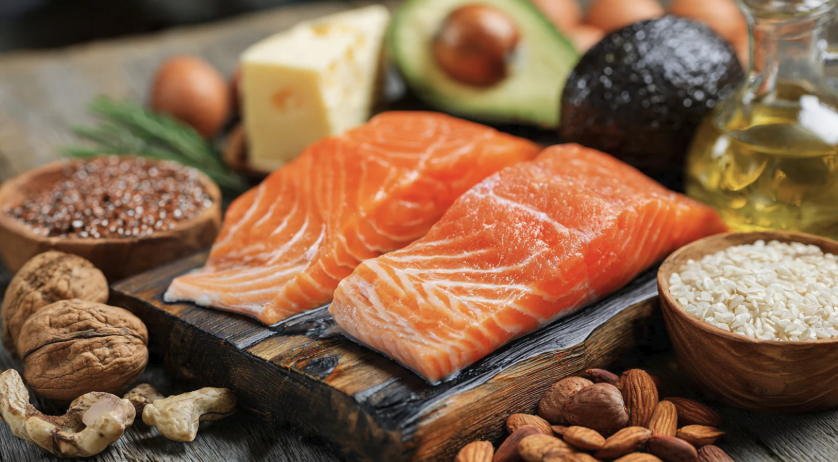
Olive oil, avocado, nuts, seeds, eggs, and low-mercury fish can be part of a balanced preconception eating pattern. Research on Mediterranean-style dietary patterns and fertility is promising but not definitive; no single dietary approach has been proven to guarantee natural conception or IVF success.
4. Add colorful produce
Leafy greens, berries, citrus, peppers, broccoli, squash, and other fruits and vegetables offer fiber and a range of micronutrients. Variety matters more than finding one “fertility superfood.”
5. Pay attention to preconception nutrients
If pregnancy is possible, folate, iron, choline, iodine, and other nutrients become especially important. Food sources can contribute, but prenatal supplementation should be personalized with your physician or fertility team—particularly if you have a medical condition, take medication, or are undergoing IUI or IVF.
A simple luteal-phase plate
Rather than following a complicated hormone diet, try this flexible formula:
Protein: salmon, chicken, eggs, tofu, lentils, or beans
Fiber-rich carbohydrate: quinoa, brown rice, oats, sweet potato, or whole-grain bread
Color: one or two vegetables or a serving of fruit
Fat: olive oil, avocado, nuts, seeds, or tahini
Examples could include salmon with roasted vegetables and quinoa; a lentil and sweet-potato bowl with greens and tahini; eggs with avocado, whole-grain toast, and berries; or Greek yogurt with oats, walnuts, chia seeds, and fruit.
The goal is not to earn a positive test by eating perfectly. It is to keep your body nourished during a phase when hunger, cravings, or energy may feel different.
Gentle Luteal Phase Self-Care
The luteal phase does not need to become another long list of fertility chores. For many women, the most helpful shift is moving from constant intervention into observation and support.
1) Let your energy guide the intensity
Some women feel completely normal after ovulation. Others notice that they want more sleep, quieter evenings, or gentler movement as their period approaches. Walking, stretching, restorative yoga, and comfortable strength or cardio exercise can all be appropriate when they feel good in your body. If you are in fertility treatment, follow the movement restrictions provided by your clinic.
2) Create distance from symptom searching
Decide when you will test and consider limiting late-night searches about every twinge. You can note a symptom without trying to decode it immediately. A simple sentence in your journal—“I noticed breast tenderness today”—is often more grounding than opening ten browser tabs about implantation.
3) Support your nervous system without pressuring yourself to relax
Breathing slowly, listening to sound healing, spending time outdoors, taking a warm shower, journaling, or using EFT tapping may help you feel more settled. These practices support your emotional well-being; they are not tests of whether you are calm enough to conceive.
If the waiting is becoming overwhelming, try mygentle EFT tapping script for Two Week Wait anxiety. It gives you language for acknowledging fear and uncertainty without forcing toxic positivity.
4) Shift womb-care practices after ovulation
When trying to conceive, timing matters. In my practice, yoni steaming and castor oil packs are paused after ovulation, throughout the Two Week Wait, after IUI or embryo transfer, and during pregnancy or suspected pregnancy. Mayan Abdominal Therapy is also generally avoided after ovulation when actively trying that cycle. Follow the guidance of your fertility clinic during treatment.
This does not mean you are powerless during the luteal phase. It means the form of care changes. Instead of adding more stimulation, you can choose rest, nourishment, emotional support, gentle movement, and nonphysical practices such as meditation, sound, or EFT.
Want clear timing guidance for the practices you use throughout your cycle? Explore these free resources created to help you stop guessing and work with your body more confidently.
LINKS: Castor Oil Guide | Yoni Steaming Guide | Two Week Wait Guide
When Should You Speak With a Provider?
Consider discussing your cycle with your physician, OB-GYN, or reproductive endocrinologist if:
Your luteal phase repeatedly measures about 10 days or fewer
You regularly experience spotting before your period
Your cycles are shorter than 25 days, very irregular, or frequently anovulatory
Premenstrual mood or physical symptoms disrupt your daily life
You have known PCOS, endometriosis, thyroid disease, elevated prolactin, recurrent pregnancy loss, or another condition that may affect ovulation or fertility
You have been trying to conceive for 12 months if younger than 35, or six months if 35 or older
You are over 40 or have a known fertility concern and need more immediate guidance
Earlier evaluation may be appropriate when there is a known condition or significant symptom. You do not have to wait for an arbitrary deadline to ask a thoughtful question about your health.
Frequently Asked Questions About the Luteal Phase
1) Can you get pregnant during the luteal phase?
Conception depends on sperm being present around the time of ovulation. The fertile window is generally the six-day interval ending on ovulation day. Once ovulation has passed and the egg is no longer viable, intercourse later in the luteal phase does not create a new opportunity for fertilization in that cycle. The luteal phase is when a fertilized egg, if one exists, may continue developing and implant.
2) How do I know I am in the luteal phase?
A sustained temperature rise can help confirm that ovulation likely occurred, while cervical mucus commonly becomes drier or thicker after the fertile window. Ovulation predictor kits can identify the LH surge that usually occurs before ovulation, but an LH surge alone does not guarantee that an egg was released. Looking at several signs together gives you more useful information than relying on an app prediction alone.
3) What is a normal luteal phase length?
A typical luteal phase commonly lasts around 12–14 days, with a broader range of approximately 11–17 days. A recurring luteal phase of about 10 days or fewer may be worth discussing with a medical provider, but one shorter cycle does not automatically mean something is wrong.
4) Can food increase progesterone?
No specific food has been proven to reliably raise progesterone or correct luteal phase deficiency. A balanced eating pattern supports general health and provides nutrients needed before and during pregnancy, but persistent cycle concerns deserve individualized medical evaluation.
5) Are PMS symptoms a sign of low progesterone?
Not necessarily. PMS symptoms can occur as estrogen and progesterone change during the luteal phase, and symptoms alone cannot diagnose a hormone deficiency. Severe or disruptive symptoms should be discussed with a qualified healthcare provider.
6) When should progesterone be tested?
Progesterone is generally most informative when testing is timed to ovulation, often around six to eight days afterward. It should not automatically be ordered on Cycle Day 21 for everyone. Because progesterone is secreted in pulses, your provider should interpret the result alongside your cycle timing, history, and other clinical information.
Your Luteal Phase Is Information, Not a Test You Have to Pass
The luteal phase can tell you meaningful things about ovulation, cycle length, symptoms, and recurring patterns. But it is not a monthly exam in which you must eat perfectly, remain endlessly positive, or interpret every sensation correctly.
Your body may ask for more rest. Your appetite may change. You may feel hopeful, anxious, tender, impatient, or all of those at once. None of that means you are doing fertility wrong.
The most empowering place to begin is simple: learn when you ovulate, notice what tends to happen afterward, nourish yourself consistently, and seek qualified support when a pattern concerns you. Cycle awareness is not about controlling every outcome. It is about understanding your body well enough to ask better questions and make more informed decisions.
Interested but not sure what your cycle is telling you?
If you are trying to conceive and feel confused about ovulation, luteal phase length, cycle symptoms, or which type of support fits where you are, you do not have to sort through it alone.
Sacred Feminine Wellness brings together cycle education, fertility-focused bodywork, and supportive mind-body practices for women trying naturally, preparing for fertility treatment, or wanting to understand their reproductive health more clearly.
Book a Fertility Pathway Call
Take the first step toward understanding which support may fit your body, timeline, and fertility journey.
Continue Your Journey
About the Author:
Candice Kosty is a fertility-focused bodyworker with more than 20 years of clinical experience, a former Google wellness practitioner, and the creator of Sacred Feminine Wellness.
After navigating Stage 3 endometriosis and her own fertility journey, she now helps women understand their cycles, support reproductive health, and feel more empowered on their path to motherhood through fertility bodywork, sound healing, cycle education, and holistic wellness support.
Learn More About Candice → Here
Read Next
Two Week Wait Anxiety: A Gentle EFT Tapping Script
If understanding the luteal phase has helped you make sense of what your body is doing but the emotional wait still feels difficult, this gentle tapping practice can help you feel more grounded without asking you to ignore your fear or force yourself to “just relax.”